Cleaner Docklands: Creating a Healthier, More Liveable Urban Waterfront
The modern city is always changing, and few places show that transformation as clearly as Docklands. Once defined by ships, warehouses, and heavy industry, this waterfront district has become a symbol of urban renewal, contemporary living, and business growth. Yet as the area continues to attract residents, workers, visitors, and investors, one theme matters more than ever: cleanliness. A cleaner Docklands is not simply about appearance. It is about public health, environmental responsibility, safety, comfort, and the quality of everyday life. When streets, laneways, plazas, waterways, and shared spaces are properly maintained, the entire district feels more welcoming, more functional, and more vibrant.
People often notice cleanliness first through what they can see, but its effects run much deeper. Clean footpaths reduce slip hazards, well-kept public seating encourages people to spend more time outdoors, and tidy waste management helps protect local wildlife and water quality. In a busy mixed-use precinct like Docklands, where apartment towers, offices, entertainment venues, retail spaces, and transport connections all converge, maintaining a pristine environment is both a practical requirement and a community value. A clean Docklands precinct supports daily life in subtle but important ways, shaping how people feel about the district and how they use it.
There is also a strong connection between clean surroundings and economic confidence. Visitors are more likely to return to an area that looks cared for, businesses perform better in places that feel safe and polished, and property values can benefit when the wider streetscape is well maintained. For that reason, the conversation around Cleaner Docklands extends beyond routine upkeep. It involves urban design, sustainability, civic pride, and the shared responsibility of everyone who uses the area. In a high-density environment, small details matter, and every clean pathway, spotless window, and litter-free waterfront contributes to the overall identity of the district.
One of the defining characteristics of Docklands is its layered urban fabric. It combines residential towers with commercial buildings, leisure destinations, promenades, parks, and transport hubs. This diversity makes the area dynamic, but it also creates complex cleaning demands. Different zones generate different types of waste and require different maintenance rhythms. Cafes and restaurants need frequent rubbish collection, residential developments require reliable common-area cleaning, and public spaces need constant attention to litter, spills, and high-touch surfaces. The most effective approach to Docklands cleanliness is therefore one that recognises these varied needs and responds with precision.
Weather plays a role too. Waterfront locations face wind-blown litter, moisture, salt exposure, and seasonal changes that affect both surfaces and structures. That means a cleaner Docklands environment is never the product of a single action; it is the result of ongoing care. Pathways must be swept, bins emptied, signage wiped, glass surfaces cleaned, and outdoor furniture inspected. Even the seemingly minor issue of dust accumulation can alter the way a place feels to passers-by. When the district is consistently maintained, however, it sends a strong message: this is a place that values order, safety, and everyday comfort.
Community expectations have also evolved. People now want more than basic sanitation. They expect greener practices, reduced waste, better recycling systems, and public spaces that feel thoughtfully managed. This has encouraged a more holistic view of what it means to keep Docklands clean. It is not only about removing rubbish, but also about preventing waste, improving resource efficiency, and designing spaces that stay cleaner for longer. Smart waste stations, frequent maintenance schedules, and careful material choices all contribute to a tidier Docklands that works better for everyone.
For residents, cleanliness influences daily comfort in powerful ways. A spotless lobby, a fresh-smelling corridor, and a clean lift area can make apartment living feel significantly better. Shared residential spaces are especially important in dense urban settings because they are used by many people throughout the day. Clean common areas reduce the spread of germs, support mental well-being, and create a more respectful living culture. In this sense, Cleaner Docklands services are closely tied to liveability. They help turn a dense city district into a place where people feel at ease, proud of their surroundings, and connected to their community.
Office environments benefit in similar ways. Clean workplaces are associated with productivity, professionalism, and staff satisfaction. In a precinct with many business tenants, cleanliness shapes first impressions for clients, visitors, and employees alike. Sparkling reception areas, dust-free meeting rooms, and hygienic shared kitchens all reflect a business culture that values detail. When the broader district is well maintained, that sense of professionalism extends beyond individual buildings and into the public realm. Cleaner Docklands precinct standards can therefore influence how businesses are perceived both inside and outside the area.
The role of public spaces should not be underestimated either. Parks, boardwalks, plazas, and open-air gathering areas are where people relax, meet, exercise, and enjoy the waterfront. These spaces need constant care because they experience heavy foot traffic and attract everything from food wrappers to leaves, stains, and general debris.
A well-kept public realm invites use, while a neglected one discourages it. Clean surfaces, maintained landscaping, and regular rubbish removal make a dramatic difference to the atmosphere. They help Docklands feel less like a transit zone and more like a destination.
Why Cleanliness Shapes the Identity of Docklands
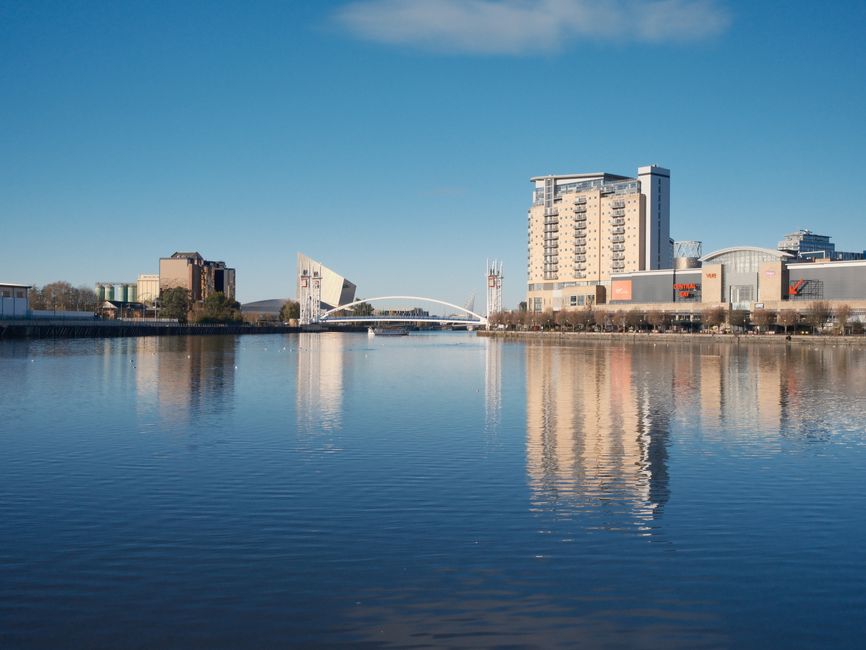
Every great urban district has a character, and cleanliness is a major part of that character. In Docklands, where modern architecture and waterfront views already create a strong visual identity, tidiness enhances the experience. The district’s design relies on openness, reflection, and movement. Glass façades, wide promenades, and landscaped edges look best when they are free from grime, marks, and clutter. A clean Docklands waterfront complements the architecture rather than competing with it. It allows the district’s strengths to stand out and creates a more coherent impression for visitors and locals.
There is also an important psychological effect. People generally feel more comfortable in places that appear cared for. Clean environments can reduce stress, encourage social activity, and improve the perception of safety. This is especially relevant in mixed-use districts, where people may arrive at different times of day for different reasons. When a place looks neglected, it can create doubt. When it looks maintained, it creates reassurance. That reassurance is one reason the idea of cleaner Docklands spaces matters so much. It supports confidence at both the personal and community level.
Urban cleanliness is also closely linked to shared responsibility. No single organisation can shape the entire experience alone. Residents, businesses, local operators, maintenance teams, and visitors all contribute to the outcome. Small everyday behaviours matter: placing waste in bins, keeping public areas free from clutter, respecting shared facilities, and looking after pets and personal items. When these actions become normal, they help build a culture of pride. Cleaner Docklands initiatives work best when they are supported by everyday habits that reinforce the same values.
Another major consideration is environmental care. Waterfront precincts must balance urban activity with the protection of local ecosystems. Litter and poorly managed waste can travel quickly into drains, harbours, and surrounding waters, causing damage far beyond the visible streetscape. Effective cleaning in Docklands therefore has ecological significance. It helps safeguard marine environments, reduces pollution, and supports broader sustainability goals. A cleaner district is not only more attractive; it is also more responsible.
Recycling plays an important role in this effort. In a busy district, waste streams can be complex, and good separation practices are essential for reducing landfill burden. Clearly marked bins, appropriate collection schedules, and thoughtful placement of waste stations can all improve recycling outcomes. When people are able to dispose of items correctly, the entire area benefits. This is part of a smarter approach to Docklands cleaning and maintenance, one that looks beyond short-term appearances and focuses on long-term impact.
Design choices also influence how clean an area remains. Materials that resist staining, surfaces that are easy to wash down, and landscaping that minimises debris all make it easier to maintain a polished look. In this way, cleanliness is not just a service issue; it is a planning issue. The most successful modern precincts often incorporate maintenance needs into their design thinking from the beginning. That makes the district more efficient to manage and easier for everyone to enjoy.
Foot traffic is another major factor in the life of Docklands. On busy days, the district may host office workers, shoppers, tourists, event attendees, and residents all at once. High traffic naturally creates more wear and tear. Entrances become marked, shared floors get dirty faster, and outdoor spaces accumulate litter and debris. Keeping pace with this activity requires consistency and attention. Cleaner Docklands standards are therefore not achieved by occasional deep cleaning alone; they depend on regular upkeep that matches the rhythm of daily use.
That rhythm changes throughout the week and across the seasons. Weekdays may bring a rush of commuters and office activity, while weekends can draw families, visitors, and leisure crowds. Events and festivals can also create sudden spikes in waste and cleaning demand. The best response is a flexible system that can adapt to different patterns. When cleaning schedules are well matched to actual use, public spaces remain presentable and pleasant instead of drifting into disorder. This flexibility is part of what makes Docklands cleanliness solutions effective in a live urban setting.
It is also worth noting that cleanliness improves inclusivity. Not everyone experiences a public place in the same way. For older adults, families with young children, and people with mobility challenges, clean and uncluttered spaces can make movement easier and more comfortable. Smooth footpaths, well-maintained lifts, and clear walkways all contribute to accessibility. In this sense, a clean environment is also a more equitable one. It reduces barriers and helps ensure that everyone can participate in the life of the district.
H2: The Role of Professional Maintenance in Urban Success
Professional maintenance is central to preserving the quality of a major precinct. A district as active as Docklands requires more than occasional attention. It needs structured, reliable, and detailed care across multiple settings. Professional teams understand how to manage large public areas, delicate surfaces, high-traffic zones, and specialised facilities. They know how to balance visibility with efficiency, ensuring that the area looks clean without disrupting the daily flow of people and activities. This professionalism is one of the pillars of a truly cleaner Docklands district.
Different spaces require different methods. A lobby may need polishing and sanitising, a promenade may need sweeping and waste collection, and a retail area may need attention to glass, floors, and shared touchpoints. The challenge is to maintain high standards without making the district feel sterile or over-managed. The best results come from a careful, unobtrusive approach that supports the natural life of the area. Cleaner Docklands environments are those where maintenance feels seamless, consistent, and responsive to real conditions.
Technology has also changed expectations. Modern cleaning tools, monitoring systems, and waste management strategies can improve efficiency and results. From better surface treatments to more intelligent scheduling, these innovations make it easier to sustain a polished environment over time. They also allow maintenance efforts to become more strategic. Instead of reacting only when problems become visible, teams can identify patterns and prevent issues before they spread. That proactive mindset is increasingly important in a district that values both style and functionality.
Public perception matters greatly in urban renewal. Docklands is often viewed as a showcase area, a place where city living meets waterfront amenity. Because of that, cleanliness can influence the broader reputation of the district. A spotless and well-organised environment suggests quality, while a neglected one can undermine even the strongest architectural or commercial advantages. This is why many people associate urban success with care and presentation. Clean streets, clean buildings, and clean shared spaces all reinforce a sense of value.
There is a ripple effect as well. When one area is well maintained, neighbouring areas often benefit from the same standards. People adapt their behaviour to the environment around them. If public spaces are visibly cared for, users are more likely to respect them. That creates a positive cycle in which cleanliness encourages better habits, and better habits support cleanliness. Over time, this can transform the atmosphere of an entire precinct. In that sense, Cleaner Docklands practices do more than remove dirt; they help shape culture.
Retail and hospitality sectors are especially sensitive to presentation. Restaurants, cafes, and shops all rely on an inviting setting. Outdoor seating areas, entryways, and nearby walkways play a key role in customer experience. If these spaces are clean and tidy, they help create a sense of ease and enjoyment. If they are neglected, even briefly, they can reduce confidence and comfort. That is why businesses in the district have a direct stake in the success of broader cleanliness efforts. Their own reputation is intertwined with the appearance of the streets and public areas around them.
Residential life also depends on the quality of the surrounding environment. When people return home after work or a day out, they want their neighbourhood to feel calm, orderly, and cared for. A clean lobby, clear lift area, and fresh communal space contribute to that feeling immediately. Beyond the building itself, nearby footpaths, parks, and waterfront edges help define the everyday experience of living in Docklands. The better these spaces are maintained, the more satisfying urban living becomes. That is why many residents value clean Docklands living as part of their broader lifestyle.
Seasonal changes bring additional challenges and opportunities. Windy weather can scatter litter, warm months may increase outdoor activity, and wetter periods can introduce mud, marks, and moisture-related issues. A successful maintenance approach adapts to these shifts rather than treating the precinct as static. It recognises that the environment is living and changing, and that different conditions require different responses. This seasonal awareness is a hallmark of thoughtful, effective district care.
Events and public gatherings deserve special attention too. Large crowds generate more waste, more foot traffic, and more pressure on shared facilities. Well-run cleaning arrangements ensure that these moments remain enjoyable rather than chaotic. When rubbish is managed promptly, surfaces stay safe, and facilities are serviced correctly, events can contribute positively to the life of the precinct. The result is a cleaner, better-organised urban atmosphere that supports both short-term enjoyment and long-term appeal.
Building a Culture of Pride and Care
At its core, the idea of Cleaner Docklands is about pride. Pride in the waterfront, pride in the buildings, pride in the public realm, and pride in the shared identity of the district. This kind of pride does not emerge from appearances alone; it grows when people see consistent care and respond with their own respectful behaviour. Clean places encourage thoughtful behaviour, and thoughtful behaviour helps keep places clean. That simple relationship is one of the strongest forces shaping successful urban communities.
Education and awareness can support this culture, but the most lasting influence is visibility. When people see a district that is maintained well, they learn what is expected of the place. They are more likely to use bins, avoid littering, keep shared areas tidy, and value the environment around them. These small acts matter. Together, they create a district that feels ordered without losing its energy. A well-kept Docklands precinct is one where urban life feels active, but not chaotic; polished, but not distant.
In the long term, cleanliness contributes to resilience. Clean environments are easier to manage, more pleasant to inhabit, and better positioned to meet future demands. As Docklands continues to evolve, the importance of maintenance will only grow. The district’s success will depend not just on development, but on stewardship. Buildings may rise, businesses may change, and public spaces may be redesigned, but the principle of care remains constant. It is that ongoing care that allows the district to flourish.
H3: The Future of a Cleaner Docklands
Looking ahead, the future of Docklands will likely be shaped by sustainability, technology, and community expectations. People will continue to value attractive public spaces, but they will also expect smarter waste management, stronger recycling performance, and maintenance practices that align with environmental responsibility. As urban density increases, the need for efficient, reliable cleanliness strategies will become even more important. The district will need to remain both beautiful and practical.
Innovation can support that future in many ways. Better planning, improved materials, and more efficient maintenance methods can help reduce waste and improve results. But the human element will remain essential. The most successful cleaner Docklands strategy will combine systems with values, using practical methods to support a wider culture of respect. That balance between process and pride will be key to long-term success.
Ultimately, a clean district is a sign of a healthy district. It tells visitors that the area is cared for, tells residents that their home is respected, and tells businesses that the environment supports growth. Docklands has already become one of the city’s most recognisable waterfront precincts. With continued attention to cleanliness, it can also become one of the most liveable, sustainable, and admired. That is the promise of a well-maintained urban waterfront: not perfection, but consistent care that makes everyday life better.
When people speak about Docklands, they often mention the skyline, the water, the modern architecture, and the energy of the precinct. Yet the quieter achievement may be even more important: the ability to keep all of that looking and feeling good every day. Cleanliness underpins the experience of walking, working, living, and relaxing in the district. It shapes first impressions and daily routines alike. A place that is cared for becomes a place people care about in return.
The continuing story of Cleaner Docklands is therefore a story of shared standards, practical action, and civic responsibility. It is about understanding that the quality of urban life is built from countless small details, each one contributing to a larger whole. Clean footpaths, tidy public spaces, hygienic shared areas, and well-managed waterfront settings all matter. Together, they help create a district that is not only visually appealing, but also healthier, safer, and more enjoyable for everyone who spends time there.
Cleaner Docklands is more than a phrase. It is a vision for how a modern waterfront district can thrive when maintenance, sustainability, and community pride come together. With consistent care and thoughtful management, the area can continue to grow as a place where people want to live, work, and visit. And as that happens, cleanliness will remain one of the simplest and most powerful ways to support the district’s future.