Canary Wharf office cleaning guide for Docklands firms
Posted on 19/06/2026
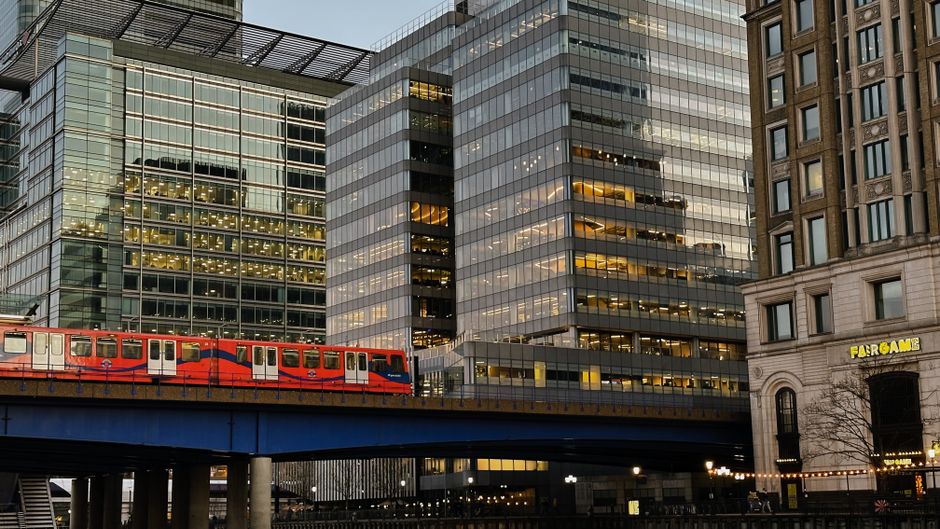
If you run a business in Docklands, you already know that office standards are noticed fast. A streaky glass partition, a tired reception carpet, or a kitchen sink left overnight can change how a client feels before the meeting even begins. This Canary Wharf office cleaning guide for Docklands firms is here to make the whole process clearer, calmer, and far more practical.
Whether you manage a small suite, a busy multi-floor office, or a shared workspace with a constant flow of visitors, the real challenge is the same: keeping things clean without disrupting work. That sounds simple. It rarely is. In a place like Canary Wharf, where pace matters and first impressions carry weight, cleaning has to be reliable, discreet, and tailored to the way your team actually uses the space.
Below, you'll find a straightforward guide to what office cleaning involves, how it works, what good looks like, and how Docklands firms can make better decisions without overcomplicating it. A bit of common sense goes a long way, to be fair.
Table of Contents
- Why Canary Wharf office cleaning guide for Docklands firms matters
- How office cleaning works in practice
- Key benefits and practical advantages
- Who this is for and when it makes sense
- Step-by-step guidance
- Expert tips for better results
- Common mistakes to avoid
- Tools, resources and recommendations
- Law, compliance, standards, or best practice
- Options, methods, or comparison table
- Case study or real-world example
- Practical checklist
- Conclusion
- Frequently asked questions
Why Canary Wharf office cleaning guide for Docklands firms matters
Canary Wharf is not the sort of place where "good enough" tends to stay hidden for long. Offices see higher footfall, more guest traffic, more shared surfaces, and often more pressure to look polished every day. That makes cleaning less of a background chore and more of a business habit.
For Docklands firms, the stakes are practical as well as visual. Clean meeting rooms help people settle in faster. Well-kept kitchens reduce that odd middle-of-the-week slump when the workspace starts to feel stale. And tidy washrooms? Let's face it, nobody forgets those. People talk about the espresso machine, the skyline view, the glass frontage. But they remember the hygiene too.
There's also a local reality here. In a busy commercial district, dust, pollution, wet-weather grit, and high traffic all build up faster than many office managers expect. It can feel like you clean on Monday and by Thursday the place already needs attention again. That is not your imagination.
A proper cleaning plan matters because it helps you:
- maintain a professional environment for clients and staff
- protect surfaces, flooring, and fixtures from avoidable wear
- reduce clutter, odours, and hygiene complaints
- support better day-to-day morale
- create a predictable standard instead of fire-fighting messes
If you want a wider view of the service landscape before deciding what to book, the services overview is a useful place to orient yourself.
How Canary Wharf office cleaning guide for Docklands firms works
Office cleaning is best thought of as a system, not a single visit. Good cleaning work in commercial spaces usually combines routine tasks, periodic deep cleaning, and clear communication about priorities. In a Docklands office, that might mean a nightly reset of desks and bins, midweek kitchen and washroom attention, plus occasional carpet or upholstery care when wear starts to show.
The process normally begins with a walk-through or a detailed requirements discussion. That is where the basics get defined: how many workstations need cleaning, which areas are shared, whether there are sensitive rooms, and what times work best around the office schedule. If your team starts early, midnight access may be more useful than an afternoon slot. If visitors arrive constantly, daytime touch-point cleaning may matter more. Small detail, big difference.
After that, the plan should be built around the site's actual usage. A finance firm with formal client meetings has different priorities from a fast-moving creative studio or a support team with hot-desking and constant phone calls. Same district, different rhythm.
In practical terms, office cleaning usually covers:
- desks and touchpoints
- reception and shared areas
- meeting rooms
- washrooms
- kitchens and tea points
- floors, skirting, and visible surfaces
- bins and waste handling
More specialist work may include carpet care, upholstery cleaning, or post-event refreshes. If you know soft furnishings are starting to look flat or marked, upholstery cleaning in Docklands can be a sensible add-on rather than a separate headache later.
Key benefits and practical advantages
The most obvious benefit is visual. A clean office looks more competent. But there is more going on than appearances.
1. Better first impressions
Visitors notice smell, dust, shine, and order before they notice a policy statement or a nice website. A clean reception area quietly reassures people that the firm is organised.
2. More usable workspaces
When desks, kitchens, and meeting rooms are consistently maintained, people waste less time moving around clutter or searching for usable space. It sounds minor. It isn't.
3. Longer-lasting assets
Carpets, seating, and office furniture all last better when dirt is removed before it becomes embedded. That is especially true in busy corridors and entrance areas where grit gets dragged in from the street.
4. Fewer complaints and interruptions
One half-clean kitchen can create more grumbling than you'd think. A solid routine reduces little tensions that build up over time.
5. Easier management
When cleaning expectations are written down and reviewed, office managers spend less time chasing problems and more time doing their actual job. Nice change, really.
For firms that want to compare practical service areas, it can also help to understand where carpet cleaning in Docklands fits into the bigger picture. Often the best results come from combining routine and periodic work rather than trying to do everything every night.
Who this is for and when it makes sense
This guide is for office managers, facilities coordinators, business owners, operations leads, and even the one person who somehow becomes the unofficial "can someone sort the kitchen?" person. We all know that role.
It makes sense if your business has any of the following:
- client-facing rooms that need a polished appearance
- shared workstations or hot-desking
- a busy kitchen or break area
- regular staff movement throughout the day
- carpeted floors, fabric seating, or glass-heavy interiors
- occupants who expect a professional environment without having to manage it themselves
It also matters when you are moving into a new office, scaling up quickly, or noticing that the cleaning routine no longer matches the way the space is actually used. That mismatch is common in Docklands offices. Teams grow. Visitor numbers change. The old plan stops fitting, but nobody quite says it out loud.
If you manage a wider mix of premises and want a broader sense of service types beyond offices alone, domestic cleaning in Docklands and house cleaning in Docklands can be useful references for understanding how routine standards differ in different environments. Different setting, same principle: consistency matters.
Step-by-step guidance
Here is the simple, no-nonsense way to approach office cleaning planning for a Canary Wharf or wider Docklands firm.
-
Map the space properly
List every area that needs attention: reception, desks, washrooms, kitchen, meeting rooms, corridors, storage, and any client-only rooms. Do not assume "the office" is one cleaning zone. It never is.
-
Separate daily tasks from periodic tasks
Daily work usually covers bins, surfaces, washrooms, kitchen hygiene, and visible tidying. Periodic work may include carpet care, window detailing, and deep cleaning of high-touch areas.
-
Identify the high-risk touchpoints
Door handles, lift buttons, shared pens, fridge handles, taps, microwave buttons, and reception counters all get touched more than people realise. Those areas deserve priority.
-
Set realistic timing
If your team arrives early, evening cleaning may be better. If you host late meetings, early-morning cleaning may reduce disruption. The best schedule is the one your staff barely notice.
-
Choose the right level of service
Not every office needs the same frequency or depth. A small professional suite may need a lighter plan than a high-traffic floor with daily visitors. Over-ordering can be wasteful; under-ordering becomes obvious fast.
-
Review results, not just attendance
Whether you manage cleaning internally or outsource it, check outcomes. Are bins emptied? Are kitchen surfaces actually clean? Is the carpet edge still gathering dust? These are the things that tell the truth.
A simple written checklist helps here. It does not need to be fancy. In fact, the plainer it is, the more likely people are to use it.
Expert tips for better results
Good office cleaning is often about small decisions repeated consistently. That is the unglamorous truth of it.
Prioritise the order of cleaning. Start high and work down. Dust and debris fall. If you clean floors first and then wipe shelves, you are just making extra work.
Use the office's traffic pattern. Areas near lifts, entrances, printers, and kitchens usually need more attention than the tucked-away corners. You can spot the wear if you stand still for a moment and actually look.
Choose materials care with a bit of judgement. Different surfaces need different approaches. Glass, laminate, fabric, and stone all react differently to pressure and products. The wrong product can leave haze or residue, which is annoying because it often looks like a cleaning issue when it is actually a product issue.
Make kitchen standards non-negotiable. Shared kitchens are where office standards often slip first. Empty bins, wipe counters, clear the sink, check the fridge front, and deal with sticky patches before they become permanent residents.
Do not ignore soft furnishings. Chairs and breakout seating trap smells and dust. If a meeting room has a faint "used office" smell by Thursday afternoon, upholstery is usually part of the story.
Build in seasonal review points. Wet weather, winter salt, and summer ventilation changes all affect how an office behaves. In late autumn, for instance, entry mats and floors can need extra attention because London seems to bring the outside world indoors on everyone's shoes.
If your team wants broader background reading on practical cleaning care, the latest Docklands cleaning insights can help you think through related maintenance topics without guessing your way through them.

Common mistakes to avoid
Most office cleaning problems do not begin with a dramatic failure. They start with a small oversight that gets repeated until it becomes normal. Dangerous little habit, that.
- Assuming one frequency fits all. A quiet office and a client-heavy office do not need the same plan.
- Focusing only on visible areas. Behind bins, under desks, and along skirting lines, dirt quietly builds up.
- Skipping kitchen and washroom detail. These spaces have the biggest effect on morale and hygiene perception.
- Forgetting to define expectations. If nobody can say what "clean" means, complaints become a matter of opinion instead of process.
- Using harsh products without checking suitability. This can damage surfaces, dull finishes, or leave strong odours behind.
- Not reviewing seasonal changes. Winter foot traffic, summer airflow, and busy event periods can all change what the building needs.
One of the more common issues in Docklands offices is over-cleaning one area and under-cleaning another. Reception looks immaculate. The kitchen, meanwhile, tells a much less flattering story. That imbalance is easy to miss until someone complains.
Tools, resources and recommendations
You do not need a warehouse of equipment to keep an office in shape. What you do need is a sensible set of tools, used well.
| Area | Useful approach | Why it helps |
|---|---|---|
| Reception | Daily dusting, glass care, floor attention, tidy resets | Creates the first impression visitors form in seconds |
| Workstations | Touchpoint cleaning, desk wipe-downs, bin removal | Supports a more orderly and pleasant working day |
| Kitchen | Surface sanitation, sink care, fridge front checks, bin control | Reduces odours, residue, and frustration among staff |
| Washrooms | Focused hygiene routine with frequent inspection | These areas are judged instantly and very fairly, usually not |
| Carpets | Vacuuming plus periodic deeper treatment | Helps preserve appearance and lift embedded dirt |
| Seating | Fabric and upholstery care as needed | Useful where meeting rooms or breakout spaces see heavy use |
For firms weighing up longer-term upkeep, it is sensible to look beyond the daily clean and think about condition over time. A periodic refresh can protect the feel of the whole office, not just the obvious spots.
That is also why it helps to understand related services such as office cleaning in Docklands as part of an ongoing maintenance plan rather than a one-off purchase. Regularity usually beats panic.
Law, compliance, standards, or best practice
Without turning this into a legal lecture, there are some important basics Docklands firms should keep in mind. Office cleaning touches health, safety, hygiene, waste handling, and contractor management. That means the work should be organised carefully, not casually.
In UK workplaces, employers generally need to think about the safety and welfare of staff and visitors, which includes maintaining a reasonably clean and safe environment. The exact duties depend on the workplace, but the principle is straightforward: if a cleaning task creates risk, that risk should be planned for.
Best practice usually includes:
- clear cleaning schedules
- safe storage and use of products
- appropriate training for staff or contractors
- attention to slips, trips, and wet-floor risks
- careful handling of waste and hygiene materials
- communication around access, alarms, and sensitive areas
It is also sensible to work with providers who can explain how they approach safety and accountability. If that matters to you, the page on insurance and safety is a useful reference, along with the health and safety policy.
Trust signals matter too. Businesses often want reassurance around service terms, data handling, payment, and complaint handling. Those are not glamorous topics, but they shape confidence. For that reason, pages such as terms and conditions, payment and security, and complaints procedure are worth reviewing when you are choosing a provider. Quietly useful, all of them.
Options, methods, or comparison table
Most Docklands firms end up choosing between three broad approaches. There is no single perfect answer. It depends on budget, footfall, and how visible the office is to clients.
| Approach | Best for | Pros | Watch out for |
|---|---|---|---|
| Internal staff rota | Very small offices or low-risk spaces | Flexible, familiar, may seem cheaper at first | Standards drift, uneven results, time lost from core work |
| Basic outsourced routine cleaning | Most small to medium offices | Reliable coverage, less management burden, clearer expectations | Needs a well-written brief and regular review |
| Routine cleaning plus periodic specialist care | Busy offices, client-facing spaces, premium interiors | Best visual standard, better asset care, stronger long-term value | Requires planning and a little more coordination |
For many Canary Wharf businesses, the third option ends up being the sweet spot. Not because it sounds impressive, but because it handles everyday grime and the slower, deeper wear that accumulates in a busy office. Simple as that.
Case study or real-world example
Here is a realistic example from a typical Docklands office scenario, without dressing it up more than it needs.
A mid-sized professional services firm with around two dozen staff notices that the office still looks tidy at 9 a.m., but by Wednesday afternoon the kitchen feels off, bins fill quickly, and meeting room chairs are starting to look a bit tired. Visitors are not complaining outright, but the office manager can tell the standard is slipping.
Rather than trying to do everything in one go, the firm resets the plan. Reception and washrooms get priority daily attention. The kitchen gets a stricter routine, with faster bin turnover and a clearer wipe-down process. Meeting room upholstery is reviewed, and the main carpeted areas are added to a periodic deep-clean schedule.
What changes? Staff stop noticing the little frustrations. Visitors still see a smart office. The manager stops having to patch things up ad hoc. And the whole place feels a bit more under control. Not dramatic. Just better. Which is often exactly what businesses need.
Practical checklist
Use this as a working checklist for your Docklands office cleaning plan:
- Define the office areas that need daily, weekly, and periodic attention
- List the highest-touch surfaces and shared spaces
- Decide what cleaning must happen outside business hours
- Check whether carpets, seating, or reception finishes need specialist care
- Confirm how bins, kitchen waste, and washroom consumables are handled
- Agree how results will be reviewed and who signs them off
- Make sure any contractor or internal team understands access and security rules
- Keep written notes on recurring issues so patterns do not get ignored
- Review the plan after busy periods, seasonal changes, or office moves
- Update the scope if the team grows, downsizes, or changes how the space is used
Expert summary: The best office cleaning plan is the one that matches real office behaviour, not the one that looks neat on paper. In Canary Wharf, that usually means prioritising visible standards, high-touch hygiene, and periodic deep care together.
Conclusion
For Docklands firms, office cleaning is not just about keeping the place presentable. It is about protecting confidence, reducing friction, and making sure the workspace supports the business rather than quietly dragging it down. In a district like Canary Wharf, that matters every single day.
The smartest approach is usually steady rather than flashy: define the areas, set the frequency, focus on the high-use zones, and review what is actually happening on the ground. If you do that well, the office will feel calmer, look sharper, and work better for everyone in it.
If you are still weighing up the right approach, start with the basics, be clear about standards, and build from there. That simple bit of structure often makes the biggest difference. And honestly, the office will feel it before anyone says a word.
Get a free quote today and see how much you can save.